02Performance
Prepared for the demands of your sport.
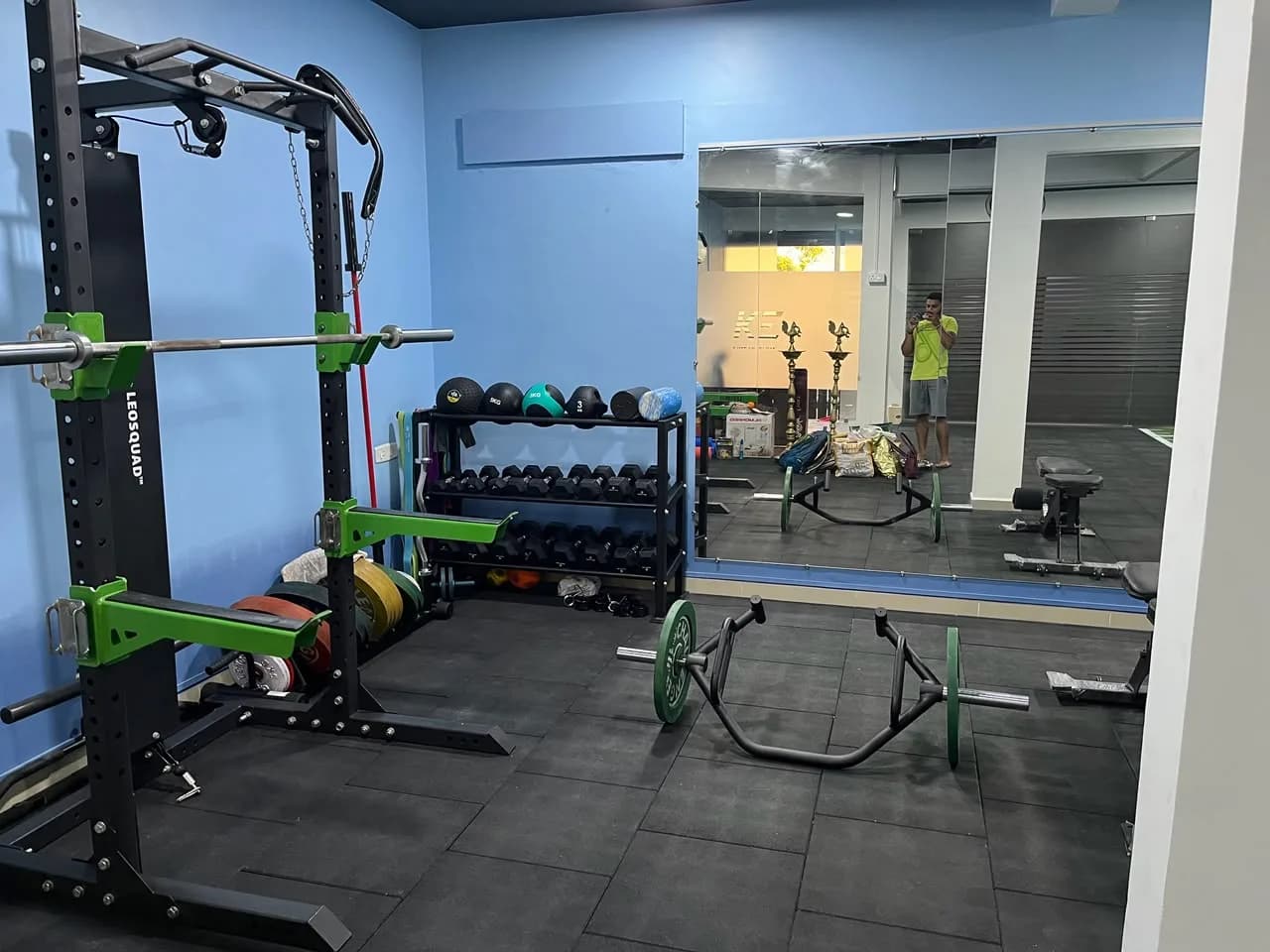
A session can be hard and still take an athlete nowhere. Athlete performance training starts by measuring where the athlete is, is planned against what their sport and competition calendar demand, and is re-tested — so progress is confirmed rather than assumed.
01What this covers
Inside athlete performance training.
- 01
Performance Assessment
The baseline every programme is written against — force production, jump characteristics, speed and movement, measured rather than estimated.
- 02
Strength Development
Built to a level that supports the sport, then maintained through the competitive period.
- 03
Speed & Power
Acceleration, top speed and the ability to produce force quickly — developed as trainable qualities with their own progressions.
- 04
Movement Efficiency
Coordination, control and positions that hold up when the athlete is fatigued.
- 05
Competition Preparation
Preparing the athlete for the training and competition load ahead of them, planned around the competitive calendar.
- 06
Individualised Programming
Every decision traces back to what the sport asks and what the assessment showed — never a template.
- 07
Long-Term Development
Training planned in blocks across a season and across seasons, with young athletes trained for their stage of development.
- 08
Re-testing
Scheduled repeat testing, so progression is confirmed rather than assumed and the next block is set on evidence.
02Performance testing
Objective data, not impressions.
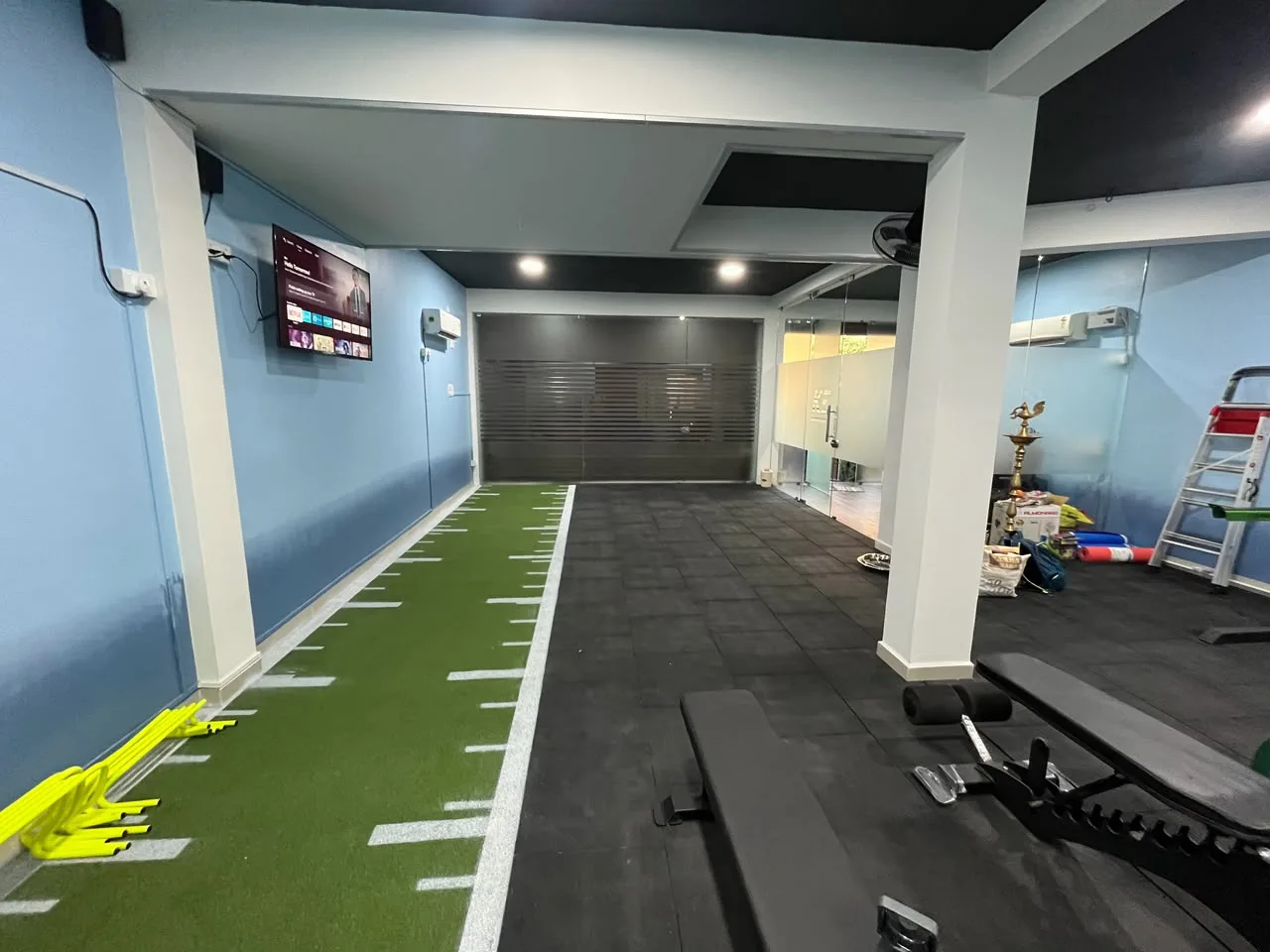
Force production and jump characteristics are measured rather than estimated. The numbers are not the point on their own — they are the reference the next block of training is written against, and the reference it is judged by.
- Force production measured, not estimated
- Jump characteristics beyond jump height
- Compared against the athlete's own baseline
- Re-tested on a schedule

03Developing athletes
Young athletes are not small adults.
Long-term athletic development treats training age and stage of development as the starting point. The priority is building broad athletic qualities and good movement first, so that heavier and more specific work has something to sit on later.
- Training age considered before training load
- Broad athletic base before specialisation
- Movement quality coached, not assumed
- Progression planned across seasons
04How It Works
The Kinetic Edge System
01
Assess
02
Plan
03
Train
04
Track
05
Improve
Ready to Take Your Performance Further?
Whether you're preparing for competition, returning from injury or simply looking to train better, our team can help build the right performance plan for you.